Owned vs rented audiences — why your list beats any algorithm
Your follower count feels like an asset. Really, it's a lease, and the landlord can change the terms whenever they like. Here's what you can do about it.
 James
James
Beware the investment activity that produces applause; the great moves are usually greeted by yawns.
― Warren Buffet (American investor and philanthropist)
Every marketer has felt the little rush of their follower count going up. It feels good, and it looks like progress. It’s an audience being built.
But there's an uncomfortable question hiding underneath it: what if that platform changed its rules tomorrow? What if they throttle your reach, change their algorithm, or suspend your account by mistake?
How many of those people could you still reach?
For most social followings, the honest answer is: almost none. And that's the whole difference between an audience you own and one you rent.
The distinction between owned and rented audiences
Of course, you don’t really own your audience… that’s not a world anyone wants to live in.
But you can own the right to have a direct relationshup with each person in your audience.
An owned audience is one you can reach directly, on your terms, whenever you choose. An email list is the clearest example: you have their email address, you decide when to send, and no third party sits between you and the person who chose to hear from you.
A rented audience is one you can only reach with their landlord's permission. Your followers on any social platform belong, functionally, to that platform. You can post — but whether your post is seen is entirely up to an algorithm you don't control and can't appeal to…
The numbers make this stark. Organic reach on most social platforms now sits in the low single digits — a few percent of your followers might see any given post. Email open rates for an engaged list routinely run 30–50%. One of those audiences you built. The other you're merely borrowing, at a rate the lender keeps quietly raising.
Rented reach can vanish overnight
This isn't a hypothetical — every year, businesses that built their entire presence on a single platform learn the hard way what "rented" means.
An account gets suspended by an automated system with no human to appeal to. A platform changes its algorithm and a reliable stream of customers evaporates in a week. A network falls out of fashion, or gets sold, or simply decides your kind of content is no longer what it wants to show. None of these require you to do anything wrong. You're a tenant, and the terms of the lease were never yours to set.
When it happens, the followers don't come with you. You can't export them, you can't email them to say "here's where to find us now”, and the relationship you thought you'd built was always mediated by someone else. When that someone else leaves, so does the audience.
An email list is the opposite. If your provider disappoints you, you export your list and take it elsewhere. The relationship is portable because it was always yours.
Why this matters even more for small teams
It's tempting to think owning an audience is a luxury for later — that first you chase reach wherever it's cheap, and worry about ownership once you're bigger.
For a small team, especially one with a paid service offering, or a charity that relies on donations, I believe it's the reverse. When you have limited time and budget, the last thing you can afford is to pour that effort into an asset you don't keep. Every hour spent growing a following you can't contact directly is an hour rented rather than invested.
A list compounds. The subscriber you earn today is one you can reach next week, next quarter, next year — for the cost of a send. Social reach can reset to zero with every post and any algorithm change. One builds equity while the other rents it, indefinitely.
Social still matters — as a means, not an end
None of this means abandoning social. Social platforms are genuinely good at one thing owned channels can't do: reaching people who've never heard of you. That's incredibly valuable. Earlier this year we posted short-form video every day for a month — so we have the receipts to show for those efforts.
The shift is in what you're using it for. Social is the top of the funnel — the introduction. Its job is not necessarily to accumulate followers; it's to turn strangers into subscribers, moving people from rented reach onto a channel you own.
And this is not easy — almost every social network makes it hard to do this. The infestation of “Link in the comments” across the online world is an ugly result of this desire by platforms to keep you and your audience in their walled gardens.
The practical rule: treat every social platform as a way to earn an email address, not as the destination. A great post that adds 200 followers is nice. A great post that adds 40 subscribers is an asset. Point your best content at the second outcome, and social finally starts working for your business rather than for the platform's.
The one thing to avoid
Don’t build your business on borrowed ground.
Of course, I strongly encourage almost every founder, marketer, and communications person starting out to build an email list from day one.
Don’t tell yourself you'll get to it once the social following is big enough to "convert." That day rarely comes, and if the platform turns on you first, the following you were going to convert leaves with it.
Don’t wait any longer…
Start moving people to owned ground now, while it's small and easy. A list of 200 people who chose to hear from you is often worth more than 20,000 followers you can only reach if an algorithm allows it.
If you've been building an audience on rented land, the fix is simple to start: give people one clear reason to join your list, and one easy place to do it. If you're on EcoSend, we can help you set up a signup form and a welcome email that turns first-time visitors into subscribers you actually own.
Until next time,
James
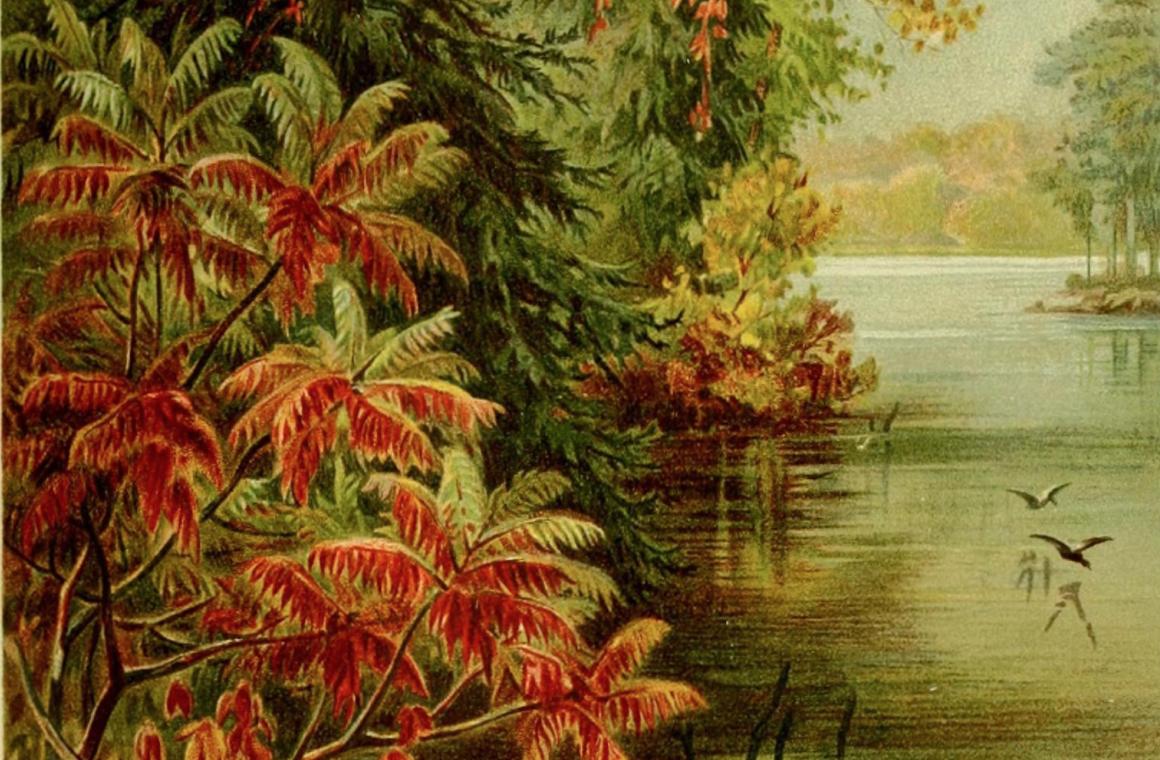
The beautiful artwork in this edition of EcoSend Weekly is "Weaver Birds” — they are so named because of their elaborately-woven nests. The artwork is a chromolithograph by L. Prang & Co., from Animate Creation (New York: Selmar Hess, c.1898). Contributed by Smithsonian Institution Libraries via the Biodiversity Heritage Library.
The newsletter for purpose-driven marketers
Join hundreds of marketers getting weekly insights on ethical email marketing, sustainable growth, and responsible digital practices.
Unsubscribe anytime. No spam. No nonsense.