The unsubscribe is a feature, not a failure
Every unsubscribe feels like a small rejection. But here's why making it easy to leave makes everything else work better.
 James
James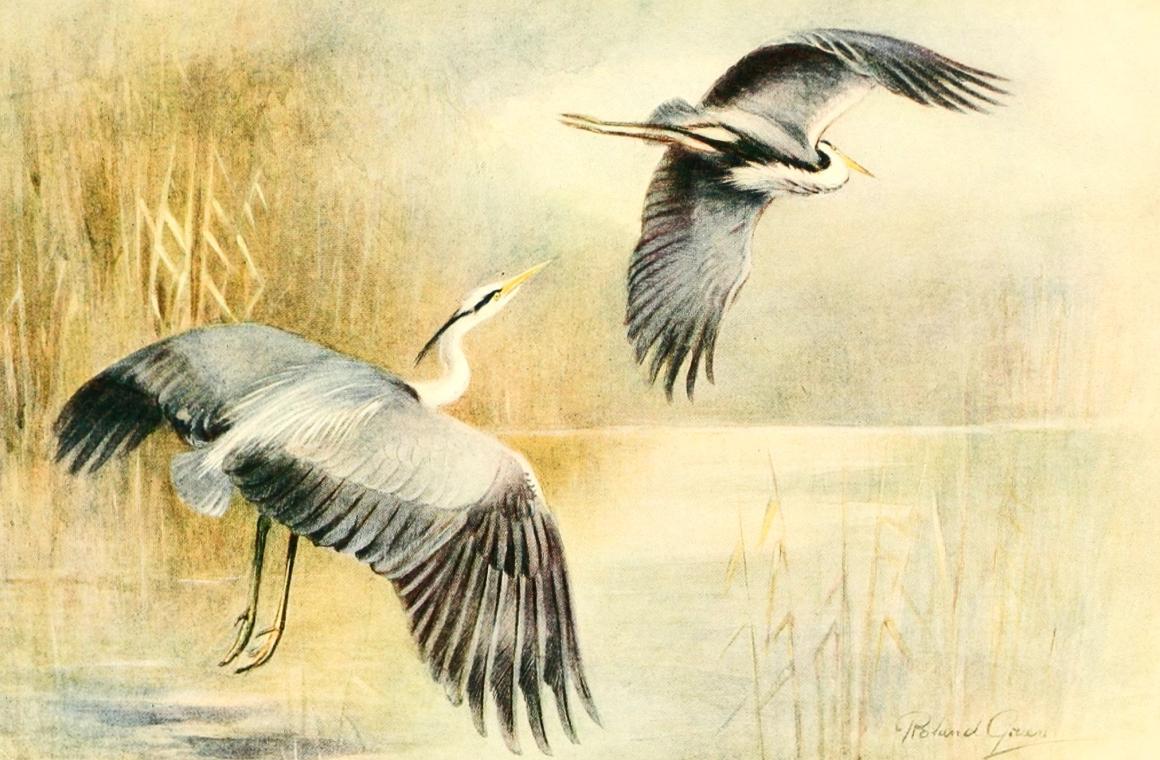
As it’s the hottest June day on record in the UK…
Don’t knock the weather. If it didn’t change once in a while, nine out of ten people couldn’t start a conversation.
― Kin Hubbard (an American cartoonist)
Few things sting quite like watching someone unsubscribe from your list after you hit send.
You wrote something honest, you cared about it, and someone read the first line and reached for the bin.
It's tempting to treat that as a failure and sob for the rest of the day.
It’s tempting for some to go a step further — and bury the unsubscribe link, add a guilt-laden "are you sure?" step, or just hope nobody finds the 8pt low contrast text that is hiding your unsubscribe link.
Resist all of that. A clean, easy unsubscribe isn't a leak in your list. It's one of the healthiest things you can offer, for them and for you.
What an unsubscribe can tell you
An unsubscribe is information, and it's honest information. Which is more rare than it sounds!
Someone who leaves was never going to buy, donate, or engage. They were a number that made your list look bigger and your open rate look worse. When they go, the people who remain are, by definition, more interested in hearing from you. Your list gets smaller and more accurate at the same time.
Compare that to the alternative. A subscriber who can't easily leave doesn't become engaged — they become a problem. They stop opening. They start deleting on sight. And eventually, a meaningful share of them reach for the other button: "mark as spam." That one costs you far more than a clean exit ever could.
The deliverability case for letting people go
Ultimately, unsubscribes protect the thing your entire email programme depends on: whether you land in the inbox at all.
Mailbox providers like Gmail and Outlook monitor how people react to you. Opens, clicks, deletes, and — most damagingly — spam complaints all feed into whether your future emails are trusted.
A hard-to-find unsubscribe link doesn't keep people on your list; it converts would-be unsubscribers into spam-reporters.
A single spam complaint does more damage to your sender reputation than dozens of clean unsubscribes. Making the exit easy is, quite literally, a deliverability strategy. You're trading a vanity metric (list size) for a survival metric (inbox placement).
It's also the right thing to do — which is rather the point
For a brand built on the idea that email isn't free — that every send costs someone time, energy, and attention — making it hard to leave would be a contradiction.
Respecting attention means respecting the decision to give less of it. Someone who no longer wants your emails shouldn't have to fight to stop receiving them. Letting them go gracefully is the same value that made them trust you in the first place, applied at the least convenient moment. Your true values often only show when you have a difficult decision to make.
There's a small climate benefit too. Every address you keep emailing out of habit is energy spent reaching someone who isn't reading. A leaner, genuinely engaged list sends fewer wasted emails — better for your numbers and for being true to digital sustainability principles.
How to do unsubscribes well
Making it easy doesn't mean making it cold. A few things that help:
Put the link where people expect it
Clear, visible, in the footer, in plain language. No tiny grey 8px text the same colour as the background. If someone is looking for it, let them find it.
Offer a downgrade, not just a door
A preference centre — "fewer emails," "just the monthly roundup," "only product news" — gives people a middle option between all or nothing. Many will happily turn the dial down instead of off, if you let them.
Honour it instantly and confirm warmly
No “please allow ten days for us to process this request.” Confirm it's done, thank them genuinely, and leave the door open. "Sorry to see you go — you're always welcome back" costs nothing and is remembered.
Never make them log in or reply to leave
Friction here doesn't retain people. It just routes them to the spam button.
The one thing to avoid: guilt
The manipulative unsubscribe flow — the frowning cartoon, the "we'll miss you 😢," the pre-ticked box that keeps you subscribed unless you notice.
This is the email equivalent of a gym membership you can only cancel by phone. It might work for one interaction, but it poisons everything after it.
People remember how you treated them on the way out. Treat the exit as the last impression you'll make, because it is — and because the people seeing it include the ones who haven't decided to leave yet.
We believe in doing this right
Of course, if you're on EcoSend, your emails already include a clear one-click unsubscribe — and you can set up a preference centre to give subscribers a softer option than leaving entirely. See how to set yours up.
Or just reply and tell us your current unsubscribe rate — we're happy to tell you whether it's something to worry about (it usually isn’t!)
Thanks for reading this week. If it wasn’t for you, you are welcome to unsubscribe — I promise I won’t take it personally…
Stay hydrated,
James
This week’s beautiful artwork is "Herons" by Roland Green, featured by W. P. Pycraft in “Birds in Flight”, and published in London by Gay & Hancock in 1922. Digitised and published online by the BHL.
The newsletter for purpose-driven marketers
Join hundreds of marketers getting weekly insights on ethical email marketing, sustainable growth, and responsible digital practices.
Unsubscribe anytime. No spam. No nonsense.